Organic production that promotes biodiversity.
‘Quinta do Alçada’ has been an organic farm for over 20 years. We believe that the relationship between organic farming and nature should go beyond the refusal to use chemical pesticides and fertilisers.
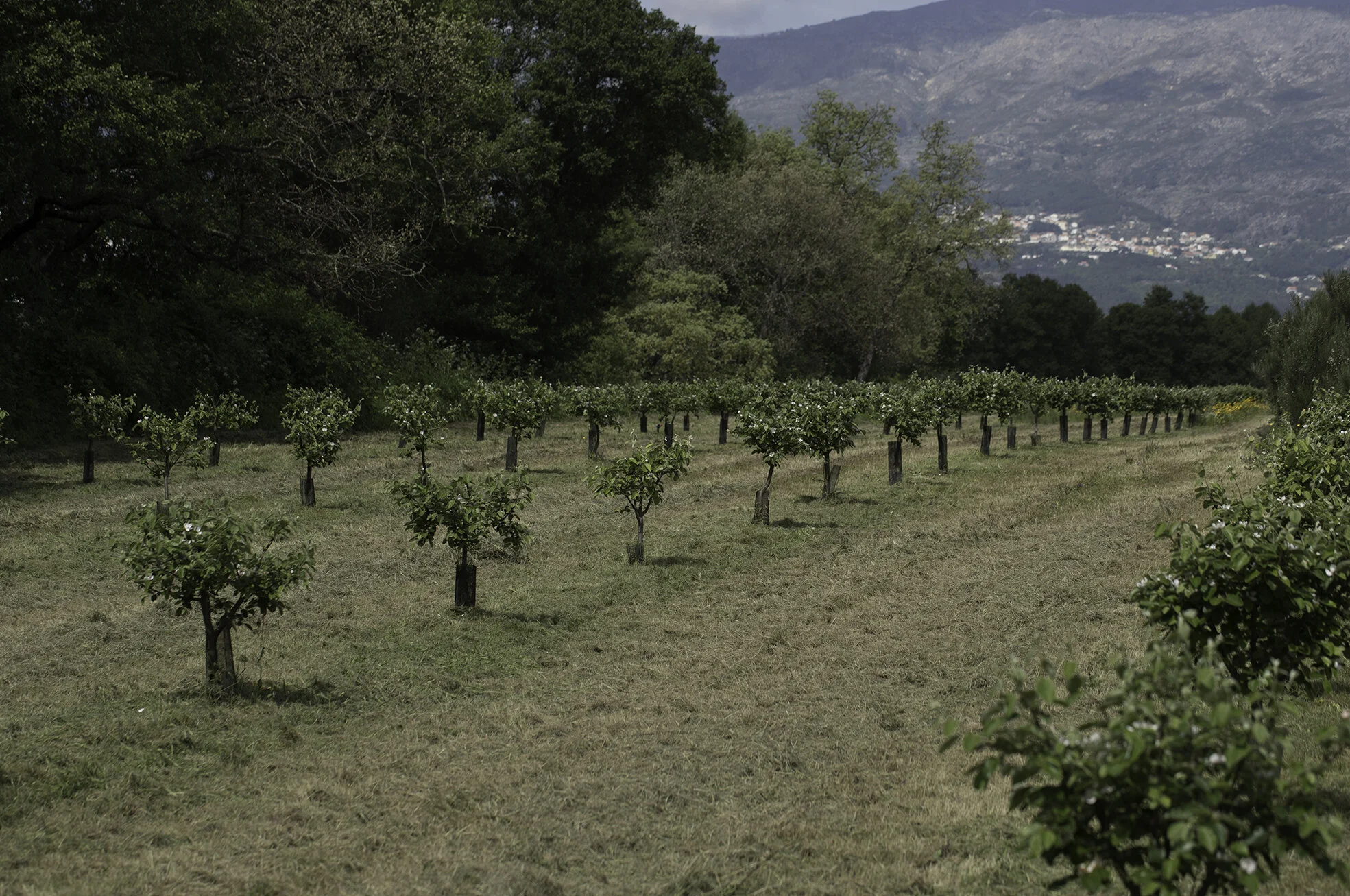
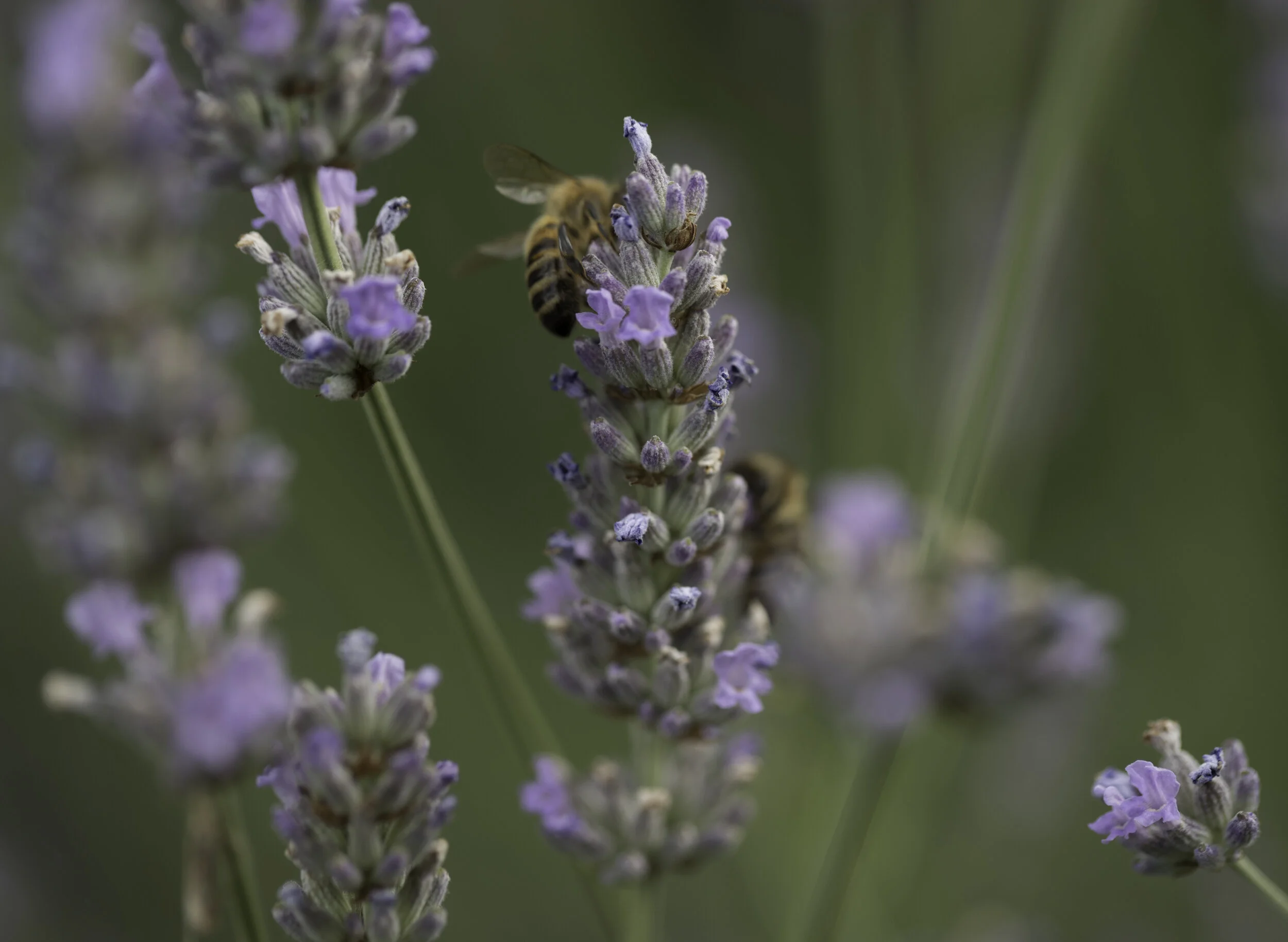
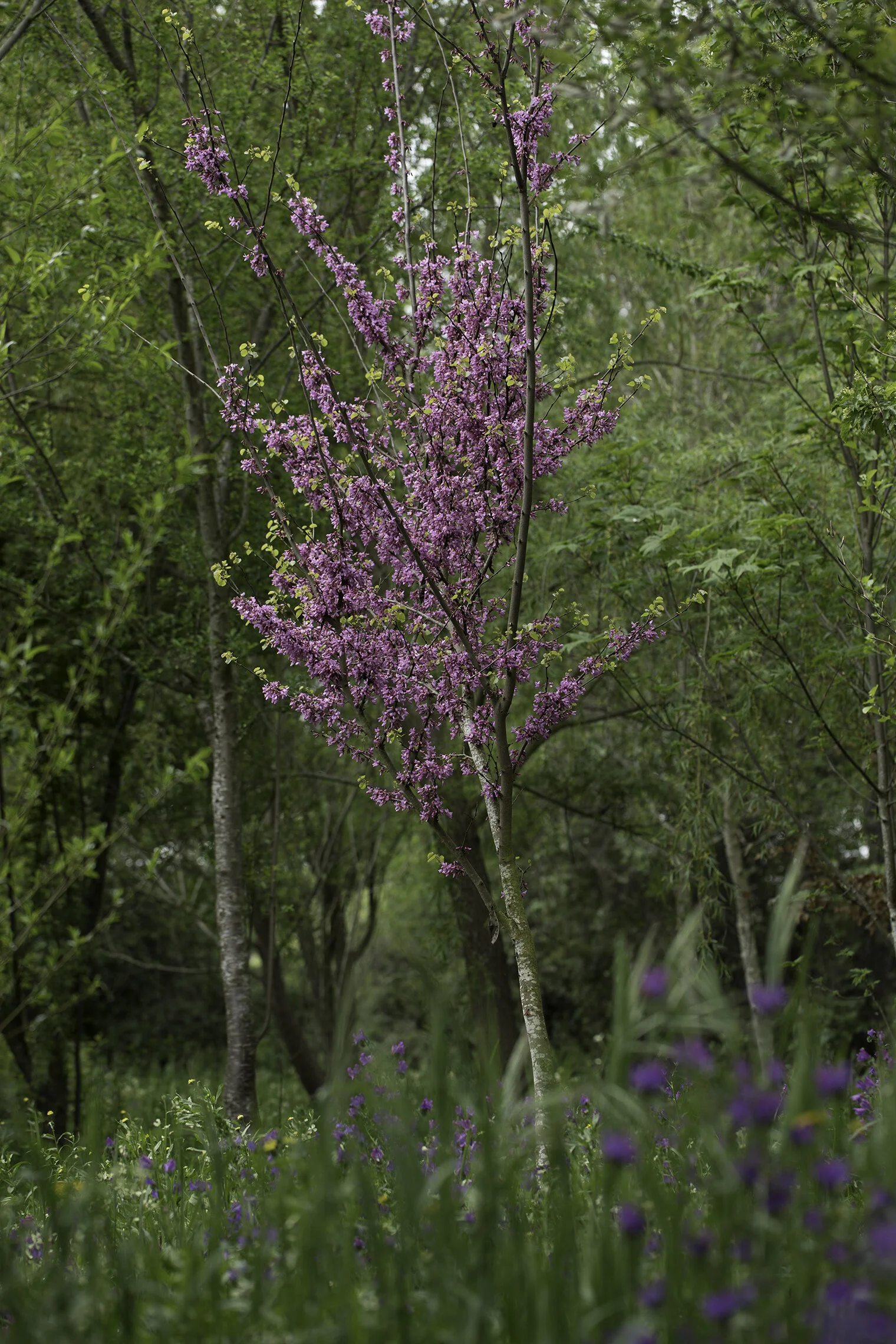
Our farm is scattered with small woods, streams, wild flower meadows, prairies and other wild habitats to maintain and promote biodiversity. The plentiful and varied wildlife present on the farm is a clear reflection that these principles are working.
Healthy soil for healthy crops.
Soil health is the basis of agriculture. This concern led us to avoid exhaustive farming practices, to put higher profits aside and to focus instead on long-term sustainable farming.
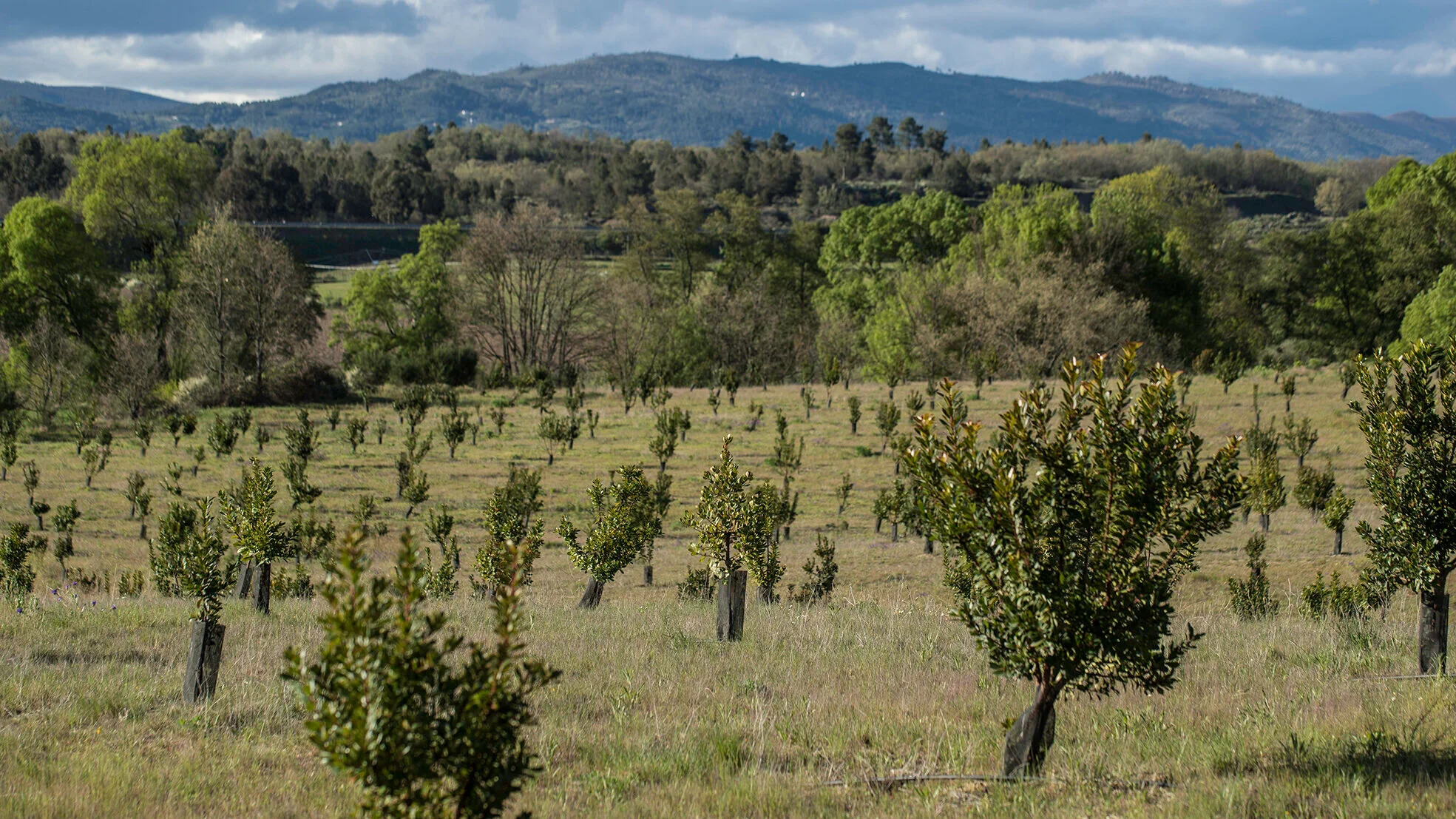
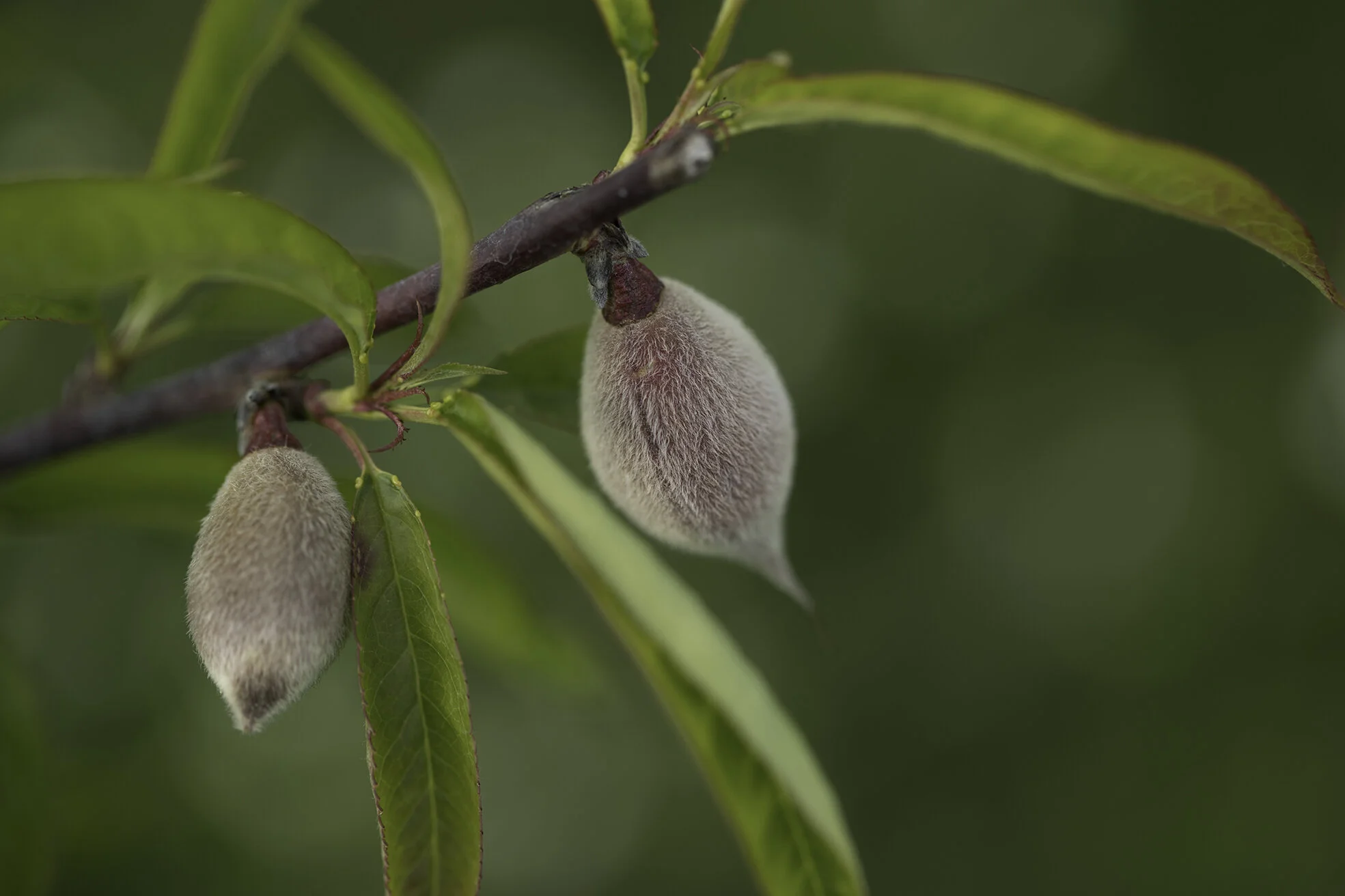
A large percentage of our cultures are tree plantations that supply organic matter to feed soils. These include several species of fruit trees, timber trees and indigenous species that are in danger of disappearing in the area.
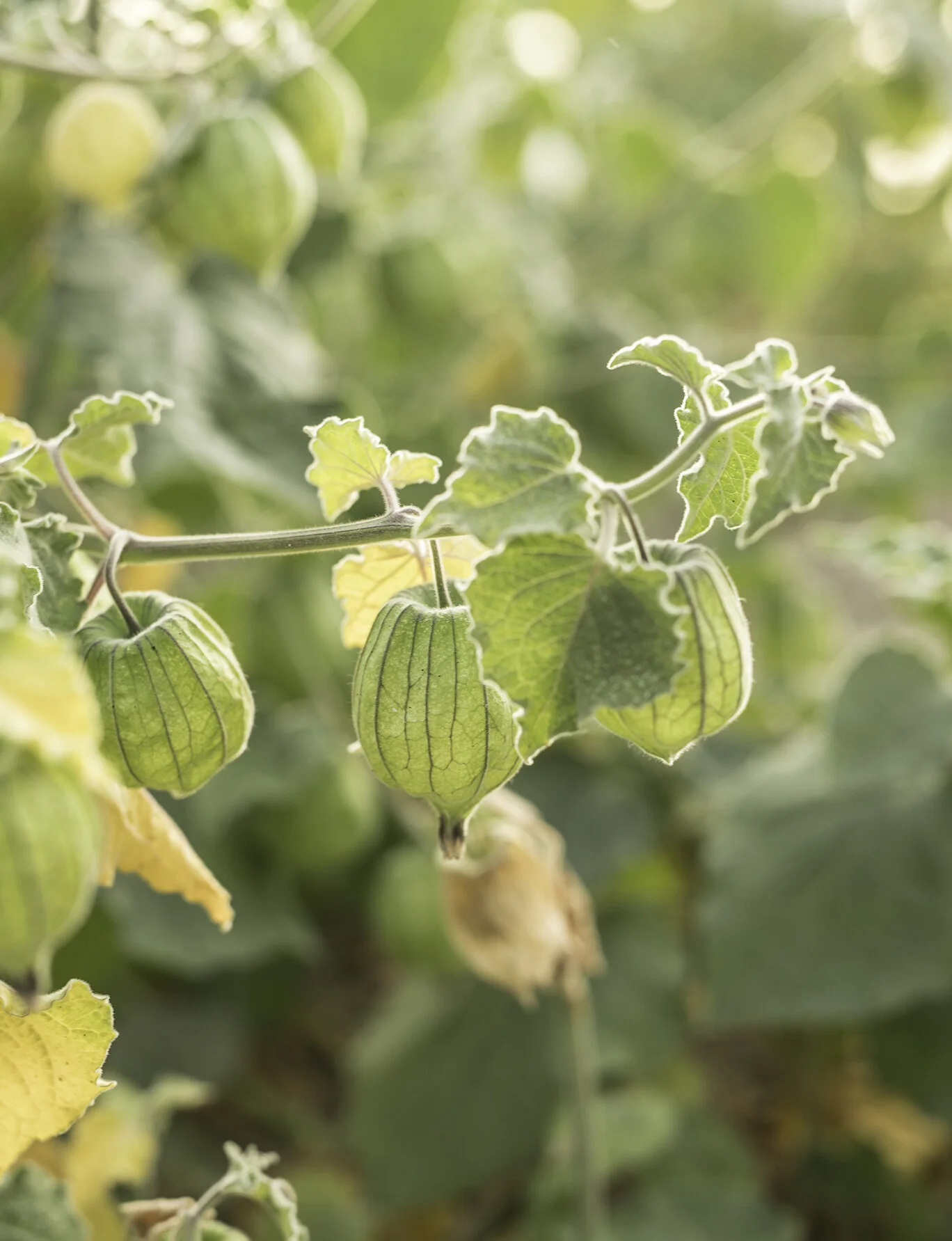
Focusing on indigenous species of trees led us to investigate other local plants and their traditional uses, which gave rise to our range of teas and herbs that you can find in our online shop. Taking care of our small ecosystem has become our main focus so that our products can help you take care of your well-being.
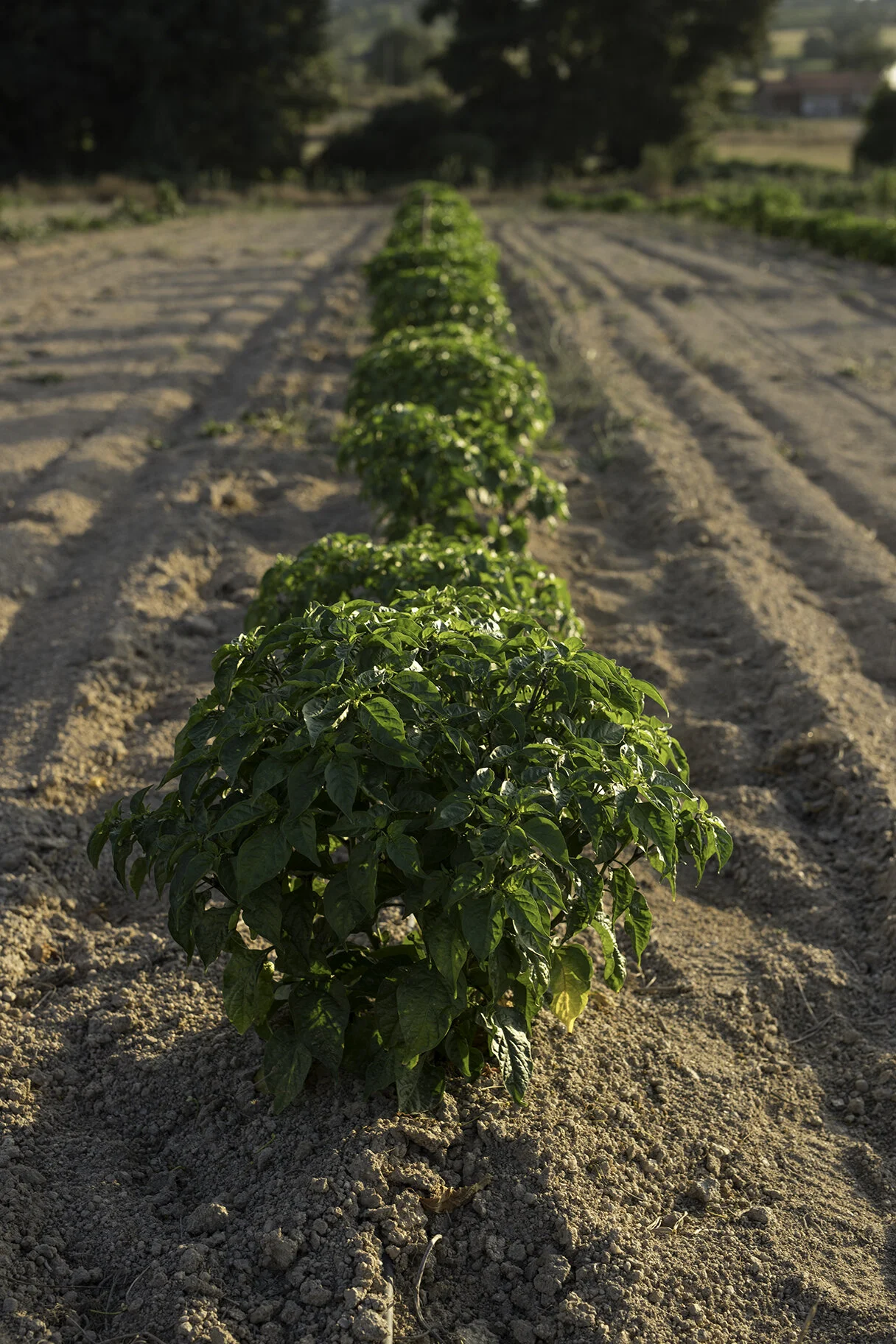
An oasis of tranquillity in the heart of ‘Cova da Beira’.
Our bet on organic farming and diversified cultures that are adequate to the local climate and soil is now paying off. Year on year, we see an improvement in the fertility of our soils and in the health and yields of our produce.
Not to mention the ever-expanding chorus that greets us every morning from the several species of birds that have adopted the farm.
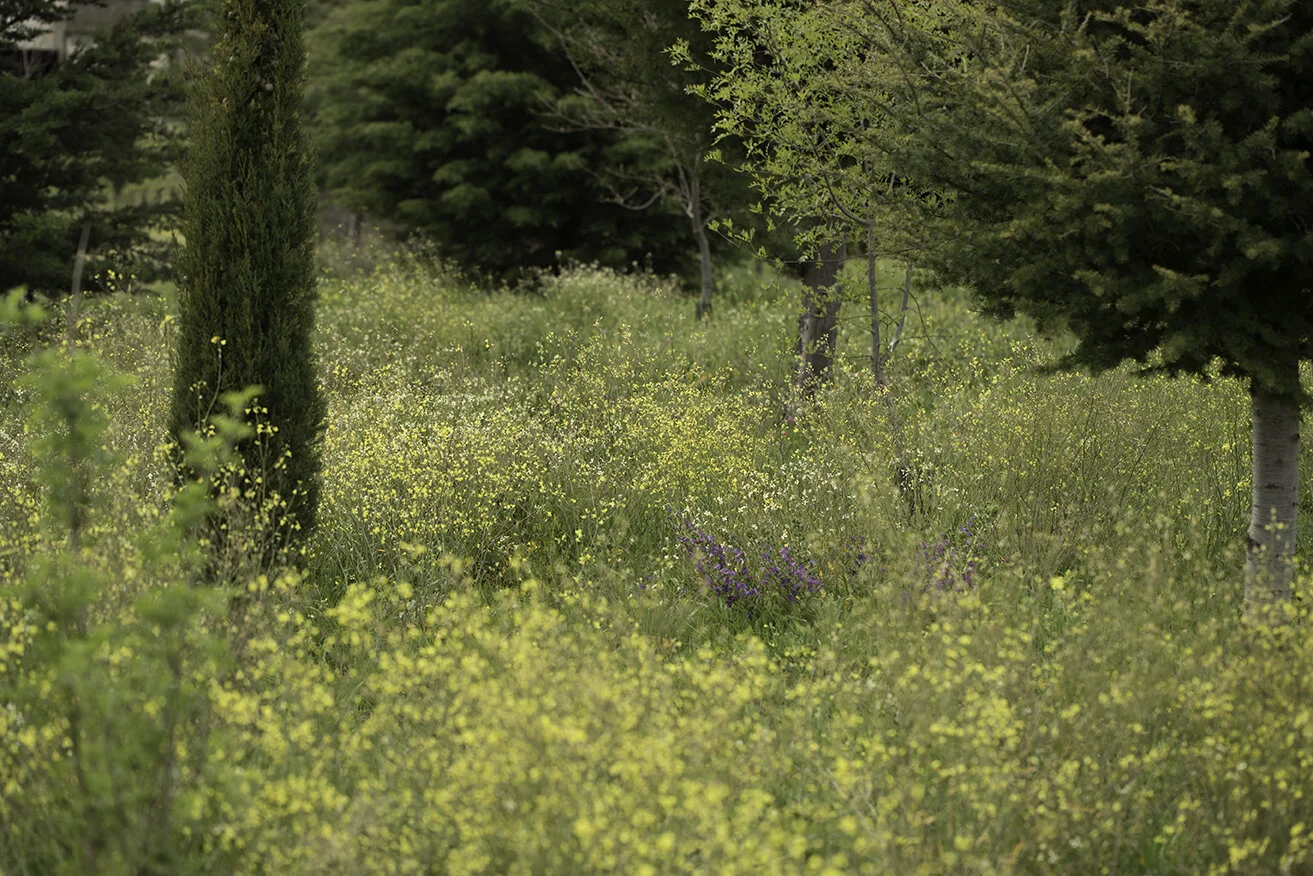
Looking to the future, taking into account our history.
The farm was bought in 1875 by José Mendes Alçada. Five generations later, the farm is still in the family and is even referenced in military maps as Quinta do Alçada (Alçada’s farm).
Throughout this time, the farm went through several types of farming systems, from wheat production, potato and rye to animal husbandry for milk production, supplied to the local cheese producers.
When Portugal joined the EU, the country’s agriculture went through a radical transformation. We went from an agriculture that was varied and focused on supplying local markets to an agriculture focused on exporting large scale mono-cultures to a global economy, supported by large sums of capital.
We did not want to partake in a type of agriculture that is ecologically highly destructive and that leads to desertification, so we opted for alternative solutions that will allow a sustainable future for future generations.